Helicopter Rescue from Thangnak to Kathmandu
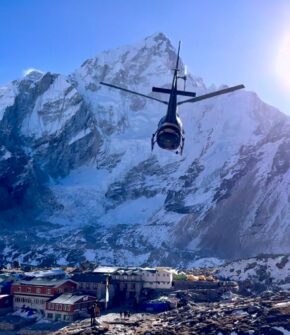
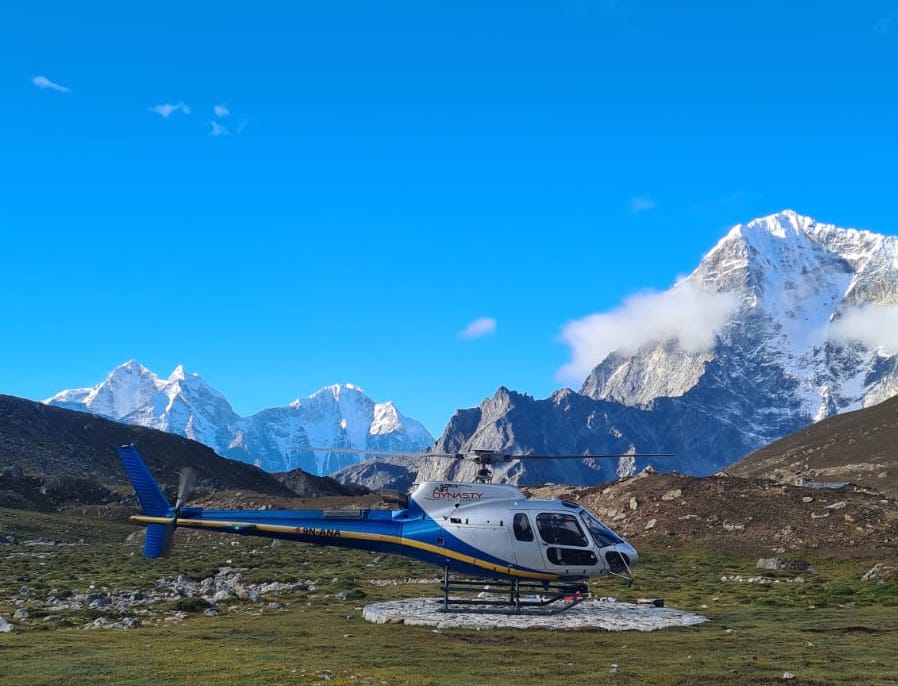
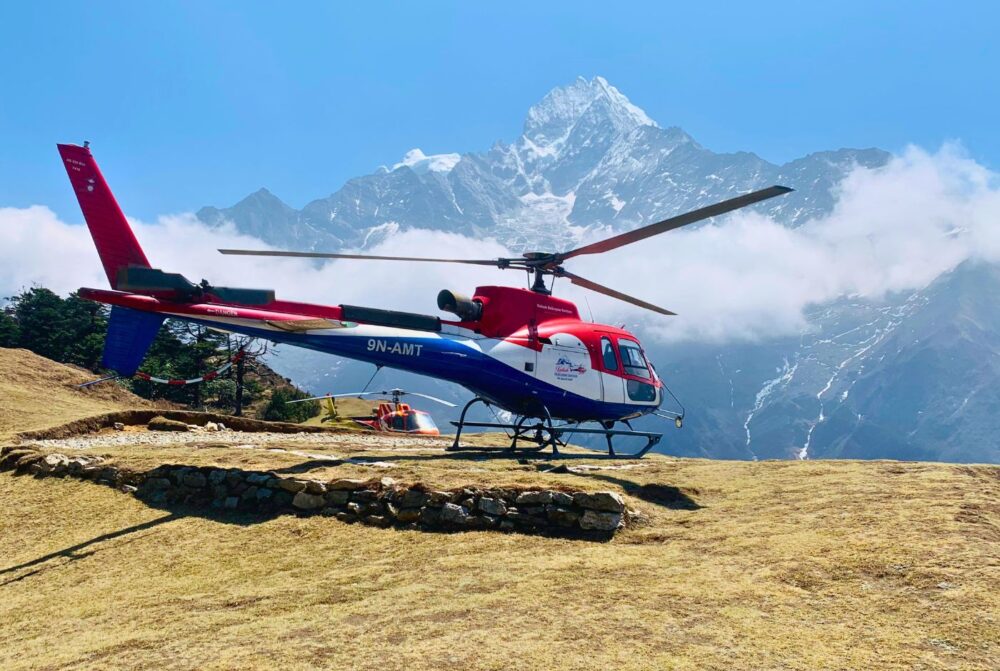
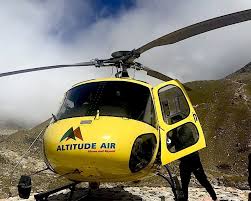
Helicopter rescue from Thangnak is a critical service for trekkers facing emergencies in the high Himalayas. Due to the remote location and high altitude, immediate evacuation can be life-saving.
When is Rescue Needed?
- Acute Mountain Sickness (AMS), HAPE, or HACE
- Severe fatigue or inability to continue trekking
- Injuries such as fractures or sprains
- Sudden illness in remote areas
How the Rescue Works
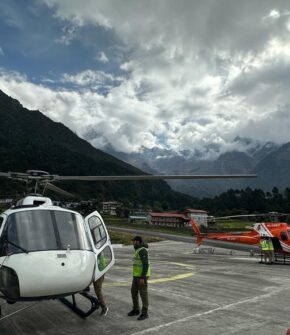
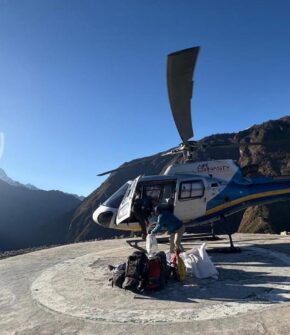
For the rescue we need your details and Once a rescue request is initiated, Everest Sky Helicopter Service coordinates quickly with your insurance and ground teams. The helicopter is dispatched as soon as weather permits, and the patient is airlifted directly from Thangnak to Kathmandu. Medical oxygen is available onboard, and patients are transported to hospitals in Kathmandu for further treatment if required.
Important Notes
- Travel insurance covering helicopter evacuation is highly recommended
- Weather conditions can impact rescue timing
- Quick communication with you speeds up the process
Why It Matters
At high altitudes like Thangnak, delays in treatment can be dangerous. A helicopter rescue ensures rapid descent, which is the most effective treatment for altitude-related illnesses.
Altitude and Safety
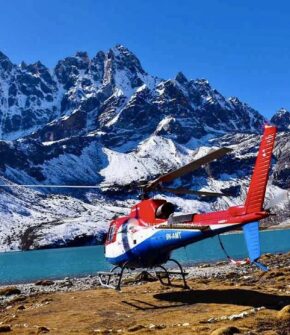
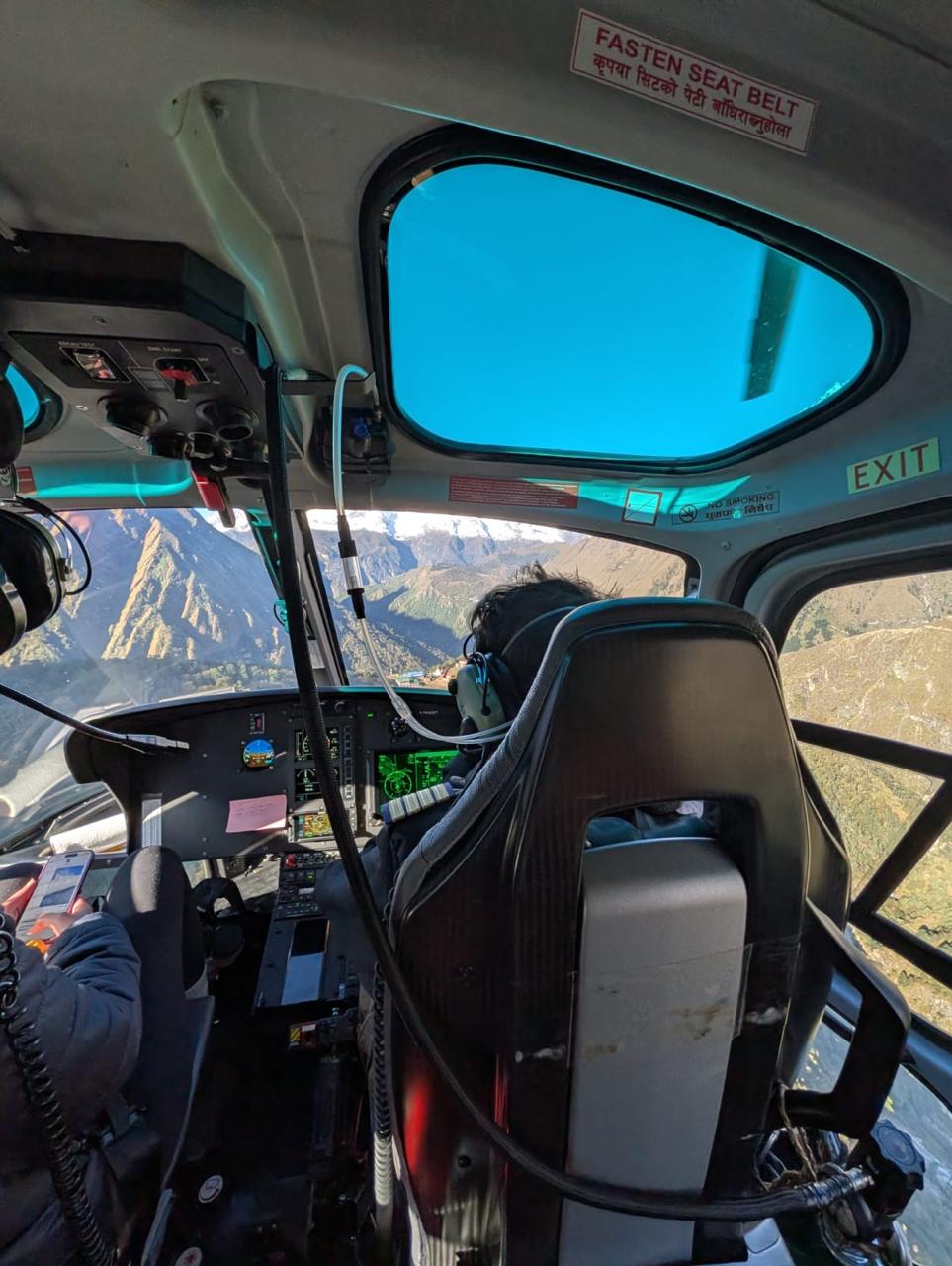
Thangnak lies at a high altitude, and helicopter flights are often used for safety reasons, including altitude sickness. Everest Sky Helicopter prioritizes passenger safety with trained pilots and well-equipped aircraft.
Weather Conditions
Flights are highly dependent on weather conditions. Clear mornings offer the best chances for departure, while afternoon flights may face delays due to wind or cloud cover.
Weight Limitations
Due to high altitude operations, helicopters have strict weight limits. Passengers may be divided into shuttle flights if required.
Best Time for Flight
The best seasons are spring (March to May) and autumn (September to November), when visibility is clear and weather conditions are stable.
Booking and Confirmation
Advance booking or last minute booking is available. However, emergency and last minute bookings are also available. Contact through email or WhatsApp.
Thangnak to Lukla Helicopter Flight
The Thangnak to Lukla Helicopter Flight is a practical and time-saving option for trekkers exploring the Gokyo Valley and planning to exit the Everest region without returning on foot. Instead of trekking back through Machhermo and Namche Bazaar, this helicopter transfer allows you to reach Lukla in a short and scenic flight.
This route is especially popular among trekkers who have completed the Gokyo Lakes trek or crossed Cho La Pass and want to avoid the physically demanding return journey. The flight offers incredible aerial views of the Ngozumpa Glacier, surrounding Himalayan peaks, and traditional Sherpa villages scattered along the valley.
The duration of the flight is usually around 15 to 25 minutes, depending on weather conditions. From Lukla, travelers can either take a regular flight to Kathmandu or continue their journey as planned.
This option is also useful in case of time constraints, fatigue, or minor health concerns, providing a comfortable and efficient exit from the high altitude region.
Thangnak to Lukla Helicopter Flight Cost
- Private Helicopter Charter: Private helicopter from Thangnak to Lukla typically costs between USD 1,200 to USD 1,800 per flight. This option is ideal for families, groups, or travelers who prefer privacy, flexibility, and maximum comfort.
- Sharing Helicopter Flight: Shared helicopter seat usually costs around USD 300 to USD 500 per person, depending on seat availability and season. This is a budget friendly option for solo trekkers or small groups looking to reduce travel costs.
With Everest Sky Helicopter Service, both private and sharing options ensure a safe, reliable, and scenic transfer from Thangnak to Lukla.
Dragnag to Kathmandu Helicopter Flight
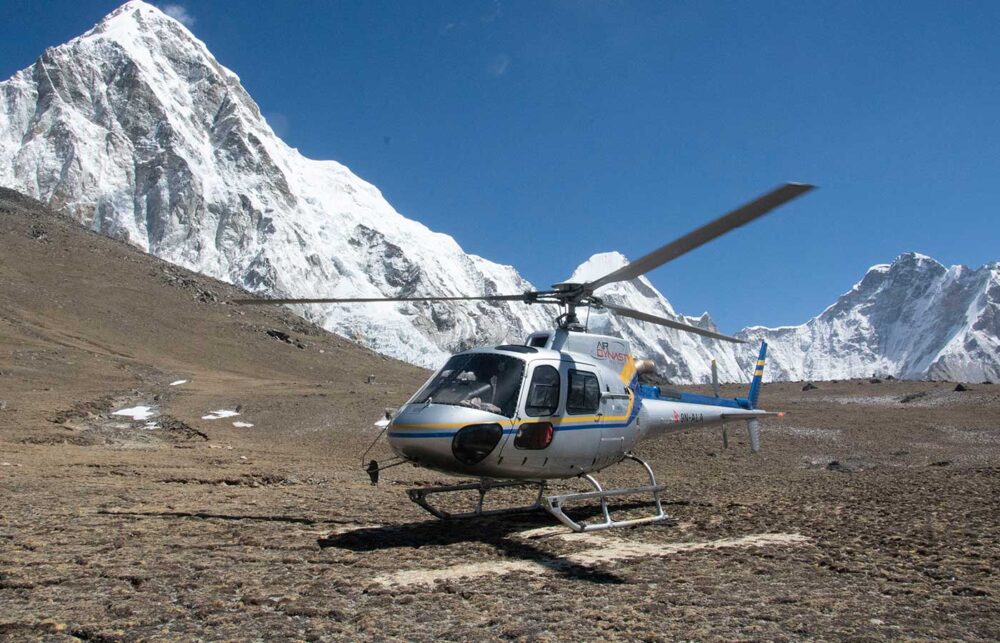
Dragnag to Kathmandu Helicopter Flight is a specialized high-altitude transfer service designed for trekkers seeking a fast, safe, and comfortable return from the Everest region. Flight operations are fully dependent on mountain weather conditions, visibility, and wind speed, so timings may change or be delayed for safety reasons. Due to strict altitude and weight limitations, passengers may be adjusted into shuttle rotations to ensure safe operations from 4,700 meters.
Travelers are strongly advised to carry valid travel insurance that covers high-altitude helicopter evacuation, along with essential documents, warm layered clothing, and personal medications. This flight is ideal for emergency evacuation, altitude sickness cases, or time-sensitive travel plans, offering a reliable and efficient connection from the remote Himalayas back to Kathmandu.





 Write a Review