Helicopter Rescue from Dingboche is an essential service for trekkers experiencing health complications, altitude sickness, or physical injuries during their Everest Base Camp journey. Located at 4,410 meters (14,468 feet), Dingboche is a common acclimatization stop but it also marks the point where altitude related risks become significantly higher. With no road access and limited medical resources in the area, a helicopter evacuation is often the fastest and safest way to descend and receive medical care.
Many trekkers begin to feel symptoms of Acute Mountain Sickness (AMS) in Dingboche, especially if acclimatization days have been skipped or if the body struggles to adjust to the thin air. The most common emergencies here include AMS, dehydration, HAPE, HACE, or injuries from slips on uneven trails. Since there are no proper hospitals in the region, delaying evacuation can worsen the condition. Immediate descent via helicopter to Kathmandu or Lukla is often the most effective solution.
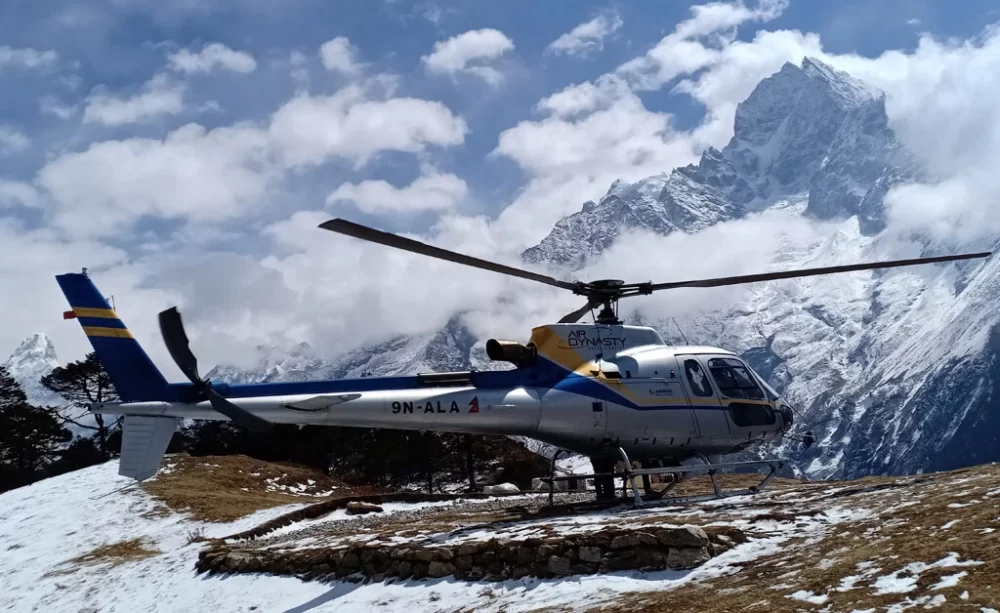
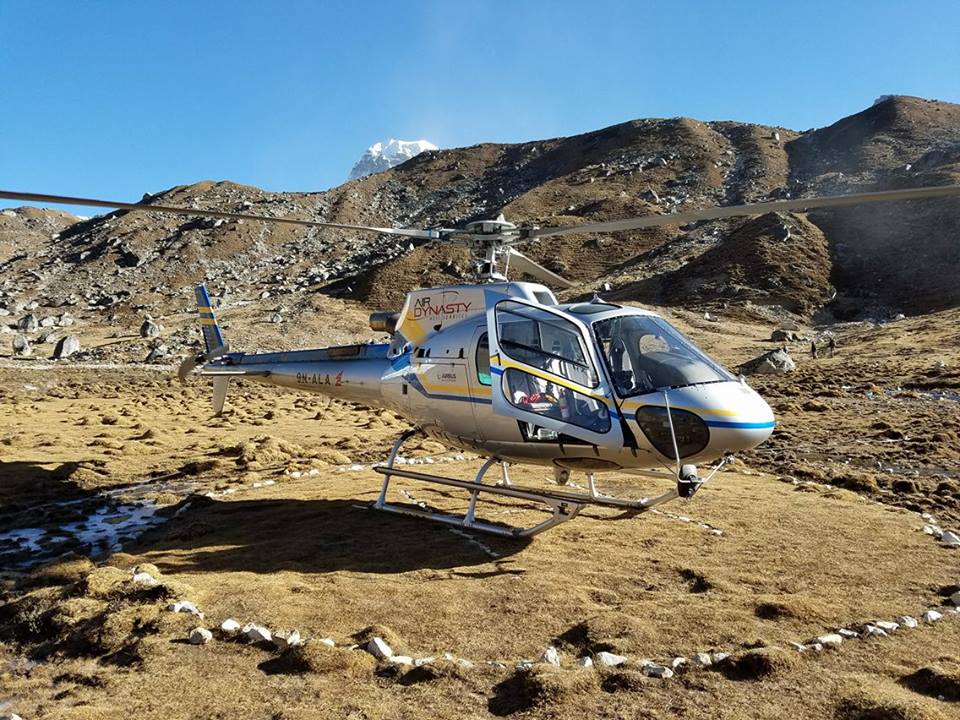
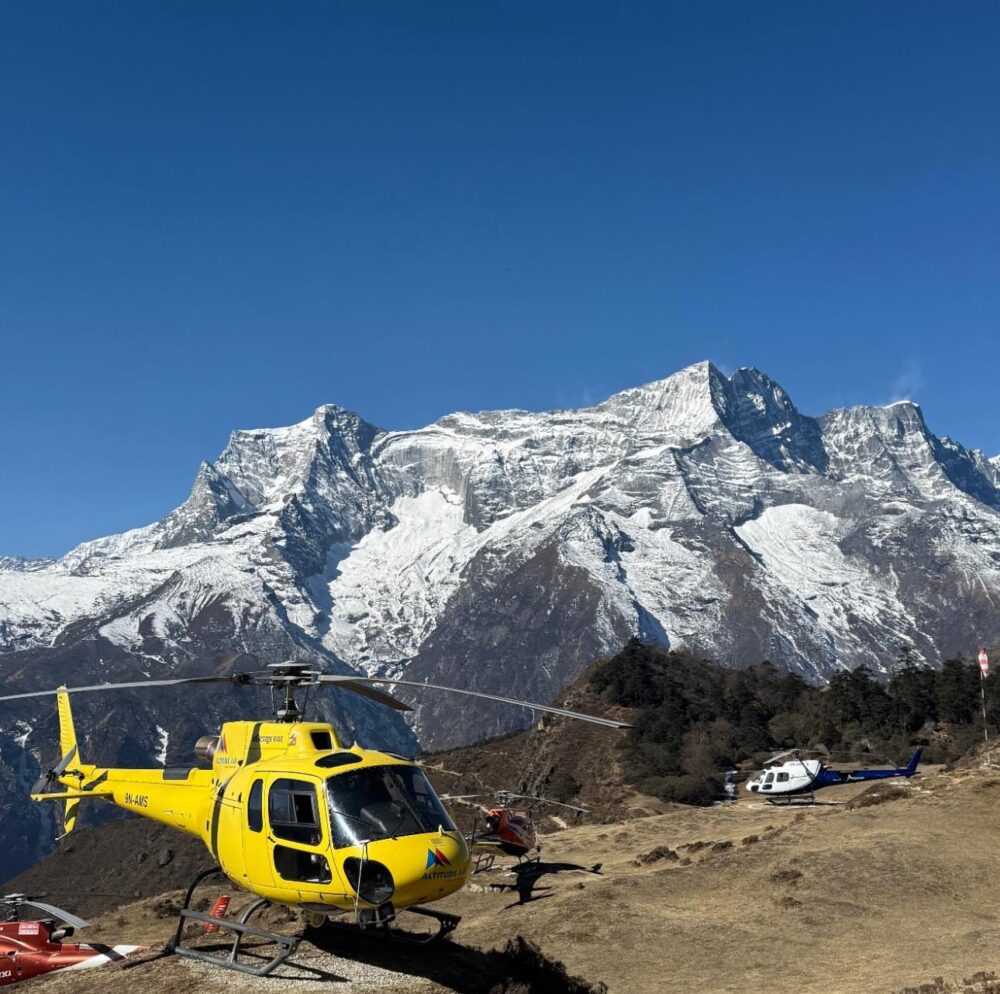
At Everest Sky Helicopter Service, we specialize in 24/7 emergency helicopter rescues from Dingboche. Our high altitude helicopters, such as the Airbus H125 (AS350 B3e), are designed to fly safely in thin air and rugged terrain. Once you contact us with your passport and insurance document, we coordinate directly with your insurance provider for approval and dispatch a helicopter without delay. For those without insurance, we offer private and shared flight options with full transparency.
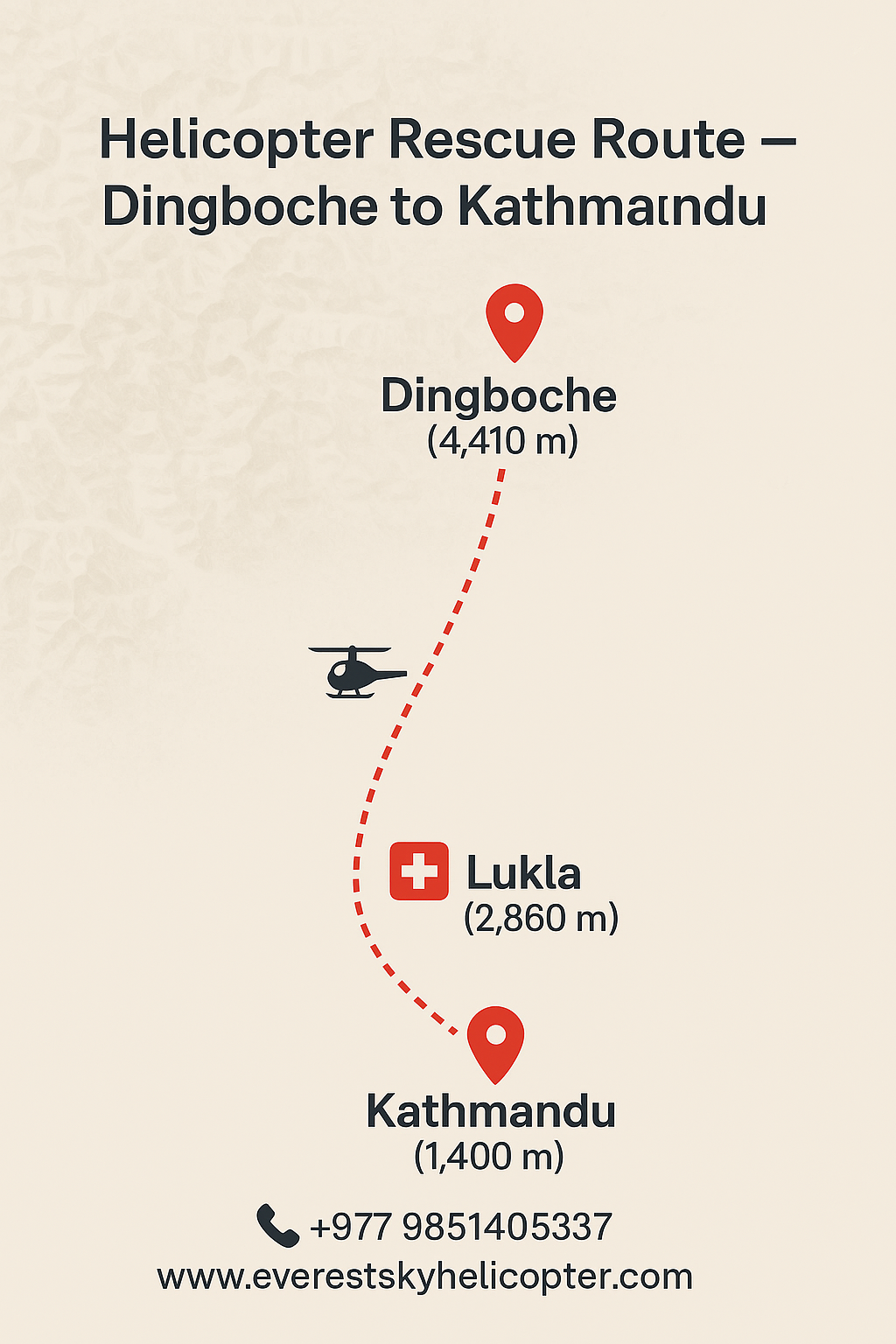
From Dingboche, our rescue helicopter can take you directly to Kathmandu, or to Lukla for refueling before continuing. Upon arrival in Kathmandu, we arrange ambulance service to transfer you to a trusted hospital. Whether you are traveling solo, with a guide, or part of a trekking group, we provide fast, reliable, and caring evacuation support because your safety is our top priority.
Why Helicopter Rescue from Dingboche is Essential
At 4,410 meters, Dingboche is one of the final high-altitude settlements before Everest Base Camp—and a location where the human body often begins to show signs of serious stress. If proper acclimatization has not been followed, trekkers can suffer from Acute Mountain Sickness (AMS) or even more life-threatening conditions such as High Altitude Pulmonary Edema (HAPE) or High Altitude Cerebral Edema (HACE). With no road access and limited medical infrastructure, helicopter evacuation becomes the only quick and reliable solution. Injuries from falls, extreme fatigue, or cold exposure can also escalate quickly here, making helicopter rescue from Dingboche not only helpful but often lifesaving.
Medical Support and Insurance Coordination Included
Our Dingboche rescue flights come fully equipped with oxygen systems, stretchers, and, when required, paramedics or trained medical staff on board. Once we receive your passport copy and insurance documentation, our operations team takes over: we directly contact your insurance provider, get pre-approval, dispatch the helicopter, and coordinate your hospital transfer in Kathmandu. Emergencies in the Himalayas can be overwhelming—so we handle the paperwork, logistics, and flight coordination, giving you or your loved one the space to focus on healing and recovery.
What If You Are Not Insured?
If you are uninsured or if your insurance does not cover high altitude evacuation, you can still book a private rescue flight from Dingboche. Everest Sky Helicopter offers both private and group evacuation options, with clear communication about pricing and procedures. In critical cases, we prioritize human life first we ensure that the evacuation happens swiftly and safely, regardless of insurance status.
Altitude Related Risks Around Dingboche (4,410m)
Dingboche is a key acclimatization point on the Everest trekking route, but that does not mean it’s without risk. The high altitude, thin air, cold temperatures, and steep terrain can all contribute to serious health emergencies. Common Altitude and Trekking Risks in Dingboche:
- Acute Mountain Sickness (AMS): Headache, nausea, fatigue, poor sleep
- HAPE (High Altitude Pulmonary Edema): Difficulty breathing, coughing, tight chest
- HACE (High Altitude Cerebral Edema): Loss of balance, confusion, coordination issues
- Trekking Injuries: Twisted ankles, knee strain, slips on rocky trails
- Cold-related problems: Hypothermia or frostbite in sudden weather changes
- Dehydration and Gastrointestinal Illness: Common due to physical exertion and diet
- Whiteouts or Snowstorms: Can cause trekkers to become trapped or disoriented
Immediate descent is critical and helicopter rescue is often the only fast and medically safe solution to prevent worsening conditions.
24/7 Emergency Contact – Call Anytime: Emergencies do not wait, and neither do we. If you or someone in your group needs immediate helicopter evacuation from Dingboche, contact us anytime: WhatsApp / Hotline (24/7): +977 9851405337 Email: [email protected] We also operate rescue from Namche, or Rescue from Tengboche and All location of Everest Region.







 Write a Review